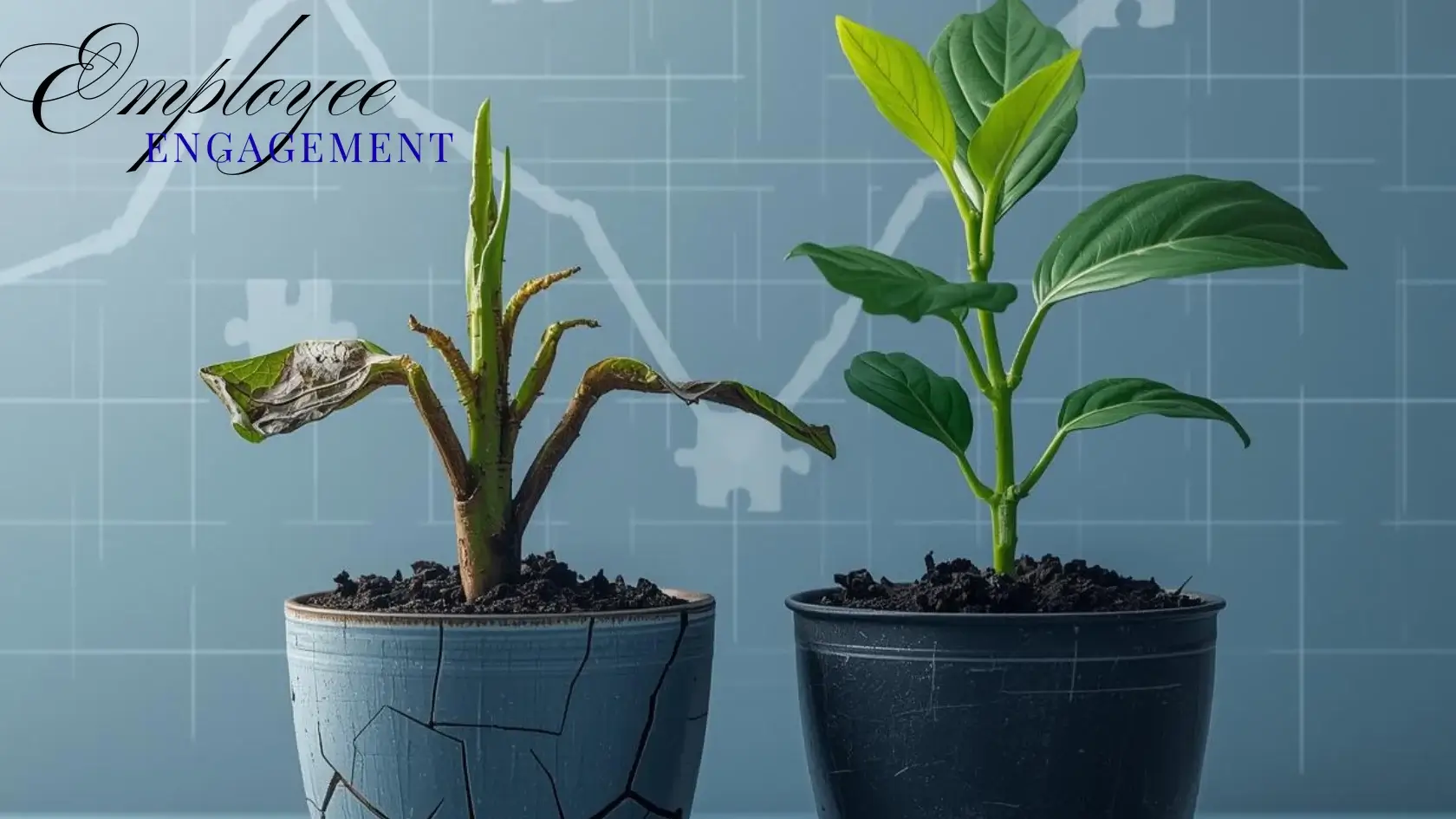
POSH TRAINING
POSH training for employees delivered by practicing lawyers
The law mandates compliance. Creating a genuinely safe workplace takes more than a checkbox.
Covers the Prevention of Sexual Harassment (POSH) Act 2013, 2025 amendments, ICC procedures, and employee rights and responsibilities. Excellential designed this sexual harassment prevention training specifically for Indian workplaces, not a legal lecture nobody remembers.
Here is what Excellential does differently:
- Role-specific modules. Separate training for employees, managers, and Internal Committee (ICC) members.
- Built by practicing lawyers. 25+ years of HR expertise backed by lawyers who design end-to-end POSH processes, from policy to ICC constitution to inquiry procedure.
- Built for Indian workplaces. 20,000+ professionals trained across 85+ organisations.
- Flexible delivery. In-person, virtual, and hybrid. English, Hindi, and regional languages.
Tell us about your organisation, and Excellential will design a POSH training programme around your needs.




































KEY TAKEAWAYS
- Covers three distinct audiences: all employees for legally mandatory awareness, managers as the first point of contact for a complaint, and ICC members needing formal inquiry training.
- Excellential names five gaps in typical POSH training: employees unaware of what qualifies as harassment, managers who freeze when a complaint arrives, untrained ICC members, avoided grey-area scenarios, and unaddressed digital harassment on Teams or Slack.
- The programme runs three modules: employee awareness covering non-physical and digital harassment, manager response protocol for handling a complaint, and ICC inquiry training on natural justice and documentation.
- After training, ICC members handle real cases with legal confidence and managers respond correctly the first time a complaint reaches them.
- For ICC members, Excellential simulates full inquiry processes, including statement recording and reviewing sample inquiry reports, not just a lecture on procedure.
- Training is updated for the 2025 amendments: board-level reporting requirements, expanded SHe-Box reporting, and penalties of up to ₹1,00,000 for repeat non-compliance.
Share your organisation’s size and where your ICC or managers feel least prepared, and Excellential will design the modules around it.
THE CHALLENGE
Why most POSH training fails to change anything
Here is what POSH training looks like in most Indian companies. A one-hour session, usually virtual, usually at the end of a busy quarter. An external trainer reads through the legal provisions. A few slides define sexual harassment. Someone asks if giving a compliment counts. The session ends. Someone generates a certificate. Nobody’s behaviour changes.
The company can now tick the compliance box. And that is all it accomplishes.
The problem is not that companies refuse to comply. Most do, especially after the 2025 amendments made board-level reporting mandatory. The problem is that most training programmes treat POSH as a legal formality rather than a genuine effort to build a safe workplace.
Excellential examines this exact compliance gap in Why Most POSH Compliance in India Is Quietly Broken.
The patterns that Excellential sees across every industry
After working with 85+ organisations across IT, BFSI, manufacturing, retail, and startups, the same five problems show up with striking consistency.
1. Employees do not understand what qualifies
The awareness gap
Most people think of sexual harassment as extreme physical behaviour. They have no idea that unwelcome comments, persistent personal attention, sharing inappropriate content on WhatsApp groups, or creating a hostile environment through jokes and innuendo are all covered under the law.
2. Managers freeze when a complaint arrives
The response gap
No training on how to respond. Some overreact and launch informal investigations that compromise the formal process. Others underreact and tell the employee to “sort it out.” Both responses are harmful and potentially illegal.
3. ICC members are appointed but untrained
The capability gap
The Internal Committee exists on paper. Its members have been nominated. But they have never received formal training on conducting an inquiry, maintaining confidentiality, applying natural justice, or writing an inquiry report. When a real case arrives, they are lost.
4. The training skips grey areas
The relevance gap
Is a comment about someone’s appearance harassment? What about a senior manager who keeps scheduling one-on-one dinners with a junior employee? Most POSH training avoids these scenarios because they are uncomfortable. But these are exactly the situations your employees face.
5. Virtual and hybrid workplaces have created new risks
The digital gap
Inappropriate messages on Teams or Slack. Late-night calls that feel coercive. Video calls where comments are made about someone’s appearance or home environment. The “extended workplace” under the POSH Act covers all of this, but most training programmes have not caught up.
Every month, your organisation runs on tick-box POSH compliance, and the risk compounds legally, reputationally, and humanly. Not just legal risk, though that is real. The deeper cost is the employee who does not report because they do not trust the process, the manager who mishandles a complaint and makes things worse, and the ICC that crumbles under the pressure of a real case because nobody trained them for it. Enquire Now →
WHAT CHANGED IN 2025
Regulatory updates you cannot ignore
POSH compliance in India shifted significantly in 2025. If your training materials were last updated before these changes, your organisation is already behind.
The MCA now requires detailed board-level reporting, not token statements.
The Ministry of Corporate Affairs now requires comprehensive POSH data in annual board reports: number of complaints received, resolved, pending beyond 90 days, and gender composition of the workforce. This is no longer a brief statement confirming that an ICC exists. It is disclosed data.
State governments will conduct compliance audits.
The Supreme Court ordered state-level compliance audits following the Aureliano Fernandes ruling. Organisations need to be audit-ready, not just policy-compliant.
Expanded reporting channels.
The government expanded the SHe-Box portal for more direct reporting, giving employees an additional pathway outside the internal process.
Cross-organisation complaints clarified.
The ruling in Dr. Sohail Malik v. Union of India established that a woman harassed by someone from a different organisation can file her complaint with her own employer’s ICC. This expands the scope of what your ICC needs to be prepared to handle.
Penalties have teeth.
Non-compliance fines of up to ₹50,000 for a first offense and up to ₹100,000 for repeat violations, with potential cancellation of business licenses.
Tick-box training will not protect you in this environment.
THE PROGRAMME
What Excellential's POSH training cover
Excellential offers three distinct modules, because an awareness session for employees, a response protocol for managers, and an inquiry skills programme for ICC members require very different content and very different conversations.
Module 1
POSH training for employees
Awareness that goes beyond definitions
- What the POSH Act covers and what constitutes sexual harassment under the law.
- How to identify unwelcome behaviour, including non-physical, verbal, and digital forms.
- How to report a complaint through proper channels.
- Protections against retaliation.
- Bystander responsibility: what to do when you witness inappropriate behaviour.
- Grey area scenarios that go beyond textbook definitions.
Module 2
POSH training for managers
What to do when a complaint reaches you
- How to respond when an employee reports harassment.
- Listening without leading: what to say and what not to say.
- Protecting confidentiality from the first conversation.
- When and how to involve the ICC.
- Common manager mistakes that compromise the process or expose the company to liability.
- Handling the team dynamics around a complaint.
Module 3
ICC member training
Conducting fair inquiries under the POSH Act
- Conducting a fair inquiry under the principles of natural justice.
- Understanding the legal composition requirements: a minimum of four ICC members, at least half of whom must be women, serving a three-year tenure, and the mandatory 90-day timeline for completing an inquiry.
- Recording statements and maintaining confidentiality.
- Understanding the difference between conciliation and formal inquiry.
- Writing an inquiry report that holds up under scrutiny.
- Handling cross-organisation complaints under expanded jurisdiction.
- Annual compliance report preparation under the new Board Report requirements.
Excellential’s ICC training is led by lawyers who have advised on real inquiry proceedings. They know what breaks down in a real case because they have sat on the other side of it. Your committee members learn from people who have handled the legal complexities firsthand, not from trainers who learned the Act from a PowerPoint.
Want a detailed programme outline for your organisation?
Excellential will tailor the modules to your industry, size, and compliance requirements.
LEARNING OUTCOMES
What your people walk away with
- Define sexual harassment under the POSH Act with clarity, including non-physical, verbal, and digital forms.
- Recognize the difference between unwelcome conduct and acceptable workplace interaction.
- Respond appropriately as a bystander when they witness inappropriate behaviour.
- Report a complaint through the proper channels, understanding their rights and protections.
- (Managers) Handle a harassment report with sensitivity, confidentiality, and legal awareness.
- (Managers) Avoid common mistakes that compromise the inquiry or expose the company.
- (ICC Members) Conduct a fair, documented inquiry that meets the requirements of natural justice.
- (ICC Members) Prepare the annual compliance report required under the Act.
- Apply the 2025 regulatory changes to your organisation's compliance framework.
- Identify grey-area scenarios and apply the law’s principles to real workplace situations.
OUR APPROACH
How Excellential teaches this
Excellential do not read through legal provisions for an hour. Every session uses scenario-based learning that generates the conversations a lecture never does.
Scenario-based, not lecture-based
Excellential presents situations: real, ambiguous, and uncomfortable. What is this? Is it harassment? What would you do? What should the manager do? What should the ICC do? People ask questions they would never ask in a generic compliance session because the scenarios feel real and relevant.
Led by practicing lawyers
Most POSH training providers are HR consultants who teach the law from slides. Excellential’s programmes are designed and delivered by qualified lawyers who have drafted POSH policies, constituted ICCs, advised on live inquiry proceedings, and handled the legal complexities that surface when a real case arrives.
Simulated inquiry processes for ICC
For ICC members, Excellential goes deeper. It simulates inquiry processes, practice statement recording, and review sample inquiry reports. By the end, your committee members are equipped to handle a real case with confidence and legal soundness.
Contextualised for Indian workplaces
Power dynamics, fear of reporting, pressure to stay silent, hierarchy, and the cultural weight of “adjusting.” Every scenario is built for how Indian companies actually work, not adapted from a Western compliance template.
Is your organisation POSH-compliant?
Testimonials
DELIVERY
Format and delivery options
Every organisation has different constraints. Excellential adapts to your reality, not the other way around.
| Format | Duration | Best for |
|---|---|---|
| Employee POSH Awareness Workshop | 90 minutes to 2 hours. Virtual or in-person. | Groups up to 100. Quick, comprehensive awareness training. |
| Manager Response Protocol | Half day. In-person or virtual. | Smaller groups (15-25) for discussion and scenario practice. |
| ICC Member Training | Full day. Intensive. | Covers inquiry procedure, documentation, and reporting in depth. |
| Full Organisation Package | All three modules across 2-3 weeks. | Complete coverage for your entire organisation. |
All formats are available in English and Hindi as standard, with regional language delivery on request. Excellential delivers on-site at your office, at an off-site venue, or through Excellential’s virtual platform.
Excellential delivers POSH training across India: Bengaluru, Mumbai, Delhi, Hyderabad, Chennai, Pune, Gurgaon, Noida, Kolkata, and Indore. Virtual delivery available for teams anywhere.
WHO SHOULD ATTEND
Who needs POSH training in your organisation?
POSH awareness training is legally mandatory for every employee. But different roles need different depth and different conversations.
All employees
POSH awareness training is a legal requirement for every person in the organisation. They need to understand what constitutes harassment, how to report it, and what protections exist.
People managers and team leads
Usually, the first point of contact is when a complaint arises. They need to know exactly what to do and what not to do when an employee comes to them.
ICC members (Internal and External)
Need formal training on inquiry procedures, documentation, statement recording, confidentiality, and annual compliance reporting.
HR professionals
Need to understand the law, the process, and the 2025 compliance requirements in depth to support the organisation’s POSH framework effectively.
Senior leadership
Accountable for organisational compliance. Need to understand the Board Report disclosure requirements and the legal exposure of non-compliance.
New joiners
POSH training should be part of every onboarding process, ideally completed within the employee’s first 30 days, so new employees understand the organisation’s commitment to safety from day one, not months into their tenure.
RESULTS
What changes after this POSH training
For the employees
- Clear understanding of what constitutes harassment and how to report it.
- Confidence that the organisation takes its safety seriously.
- Awareness of bystander responsibility and the courage to act.
- Knowledge of protections against retaliation.
- A shared understanding of acceptable and unacceptable behaviour.
For the organisation
- Full compliance with the POSH Act 2013 and 2025 amendments.
- ICC members handle real cases with legal confidence competently.
- Managers who respond correctly when a complaint reaches them.
- Reduced legal and reputational risk from mishandled complaints.
- A workplace culture where safety is felt, not performed.
WHY EXCELLENTIAL
Why organisations choose Excellential for POSH training
You have options. Large compliance firms, boutique trainers, and online course platforms. Here is what makes working with us different.
Led by practicing lawyers, not just trainers
Qualified lawyers design and deliver Excellential’s programmes who have drafted POSH policies, constituted ICCs, advised on live inquiry proceedings, and handled the legal complexities that surface when a real case arrives.
25+ years in Indian and MNC organisations
Power dynamics, fear of reporting, pressure to stay silent. Excellential has navigated them across 85+ organisations. 20,000+ professionals trained across IT, BFSI, manufacturing, retail, and startups.
Updated for 2025 regulations
Board Report disclosures, expanded ICC jurisdiction, SHe-Box integration, and compliance audit requirements. All covered. Not an afterthought bolted onto old slides.
Separate modules, not one-size-fits-all
Employees, managers, and ICC members need different training. Excellential delivers each separately, with content and depth calibrated to their specific role and responsibilities.
Sessions that generate real discussion
Excellential does not do tick-box training. Excellential’s sessions generate real questions and real understanding. People leave knowing the law, not having sat through it.
Consulting depth, not just training
Excellential is a consulting and advisory firm that also trains. Excellential’s POSH expertise extends to policy drafting, ICC constitution, compliance audits, and ongoing advisory.
POSH consulting beyond the training room
Many clients need more than training. Excellential offers POSH policy drafting, ICC constitution and structuring, external ICC member services, annual report preparation, and compliance audit readiness as separate consulting engagements. Excellential’s team includes practising lawyers who specialise in workplace law and the POSH Act.
Compliance protects the company. A safe workplace protects your people.
The 2025 amendments have raised the bar. Fines are real. Board-level disclosure is mandatory. Compliance audits are coming. More importantly, your employees deserve a workplace where they feel genuinely safe, not one where safety is performed once a year for a compliance certificate.
With practicing lawyers designing your POSH framework and training your people, you get both: legal precision and a culture of safety.
FAQS
Frequently asked questions
Is POSH training mandatory in India?
Yes. The POSH Act 2013 requires every organisation with 10 or more employees to conduct awareness training. The 2025 amendments have added Board-level reporting requirements that make compliance even more visible.
How often should POSH training be conducted?
Annually, which is both a legal best practice and our recommendation. New joiners receive it during onboarding. ICC members refresh their training whenever the committee is reconstituted.
Does your training cover the 2025 changes?
Yes. We cover Board Report disclosures, Supreme Court compliance audit directives, expanded SHe-Box functionality, and the extended ICC jurisdiction for cross-organization complaints. Excellential’s POSH training for employees, managers, and ICC members covers all of this in role-specific detail.
Do you offer POSH training online?
Yes. We deliver all three modules as live, interactive virtual sessions with scenario exercises and breakout discussions. These are not pre-recorded videos.
Is this a POSH certification programme?
No. We deliver practical training so employees understand the law, managers know how to respond, and ICC members can conduct fair inquiries. We can advise on government-empanelled certification separately if you need it.
Can you train our ICC members if they have never handled a real case?
That is exactly when ICC training matters most. We simulate the full inquiry process, complaint receipt, statement recording, cross-examination, and report writing so your committee can practice before a real case arrives.
Do you cover harassment in virtual and hybrid workplaces?
Yes. Inappropriate messages on Slack or Teams, coercive late-night calls, comments during video calls—the POSH Act’s “extended workplace” covers all of this. We address digital harassment scenarios specifically.
What is the difference between POSH training and a POSH compliance audit?
Training educates your people. A compliance audit checks whether your organization meets every legal requirement, ICC constitution, policy display, annual report, and board report disclosure. We offer both.
Are your POSH trainers legally qualified?
Yes. Practicing lawyers who have drafted POSH policies, constituted ICCs, and advised on live inquiries design and deliver our programs. Most providers use HR trainers. We do not.
Can this training be customized for our company?
Yes. We tailor scenarios, case studies, and discussions to your industry, culture, and specific challenges. Tell us what situations you want addressed; we build those in.