
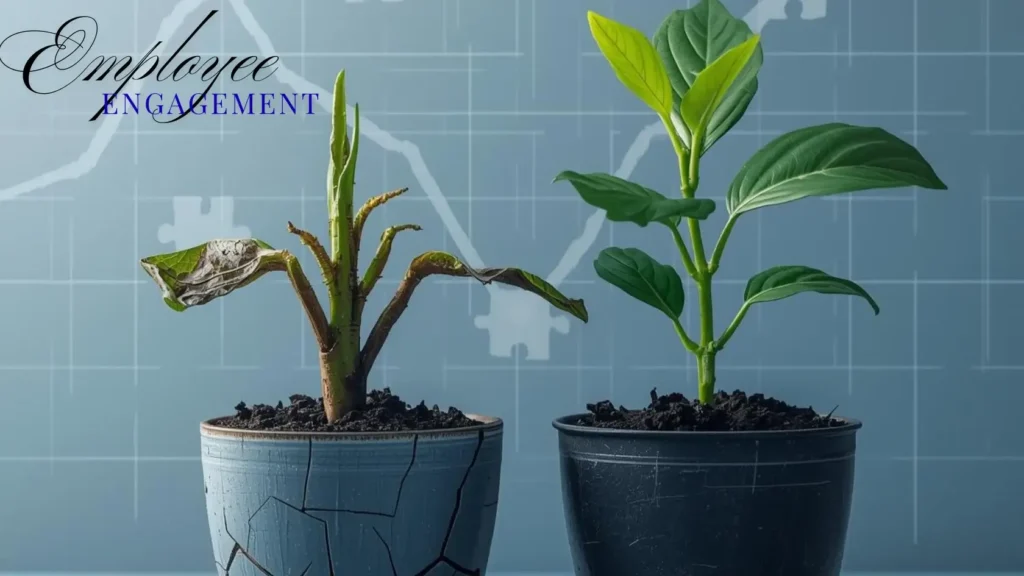
Employee engagement initiatives in India often rely on activities and perks, but what actually works is helping people feel listened to, trusted, and clear on why their work matters.
Key Takeaways
|
At 4:57 pm, the HR mail landed.
Subject: Employee Engagement Activity: Mandatory Fun Friday
There was a quiz.
A virtual tambola.
And a promise of “exciting goodies”.
By 5:03 pm, cameras were off.
By Monday, nothing had changed.
- The same manager who didn’t listen.
- The same workload.
- The same silence in meetings.
Later that evening, one employee said quietly,
“They want us to feel engaged, but they never ask what exhausts us.”
That sentence stays with us.
Because most organisations don’t suffer from low engagement. Most employee engagement initiatives don’t fail because of bad intent; they fail because they suffer from unheard people.
What Most Employee Engagement Initiatives Get Wrong: Employee engagement has become an event, not an experience.
Most companies equate engagement with:
- Activities
- Celebrations
- Pulse surveys
- Once-a-year offsites
All well-intentioned. All incomplete.
What employees actually crave is simpler:
- Being listened to
- Being trusted
- Being treated fairly
- Having clarity on why their work matters
When companies reduce engagement to:
- Games without psychological safety
- Rewards without recognition
- Surveys without action
Employees disengage emotionally long before they resign.
This is why engagement scores look “okay” on paper, but energy on the floor feels flat. Engagement doesn’t drop suddenly.
It erodes quietly.
Why engagement efforts fail / what’s broken?
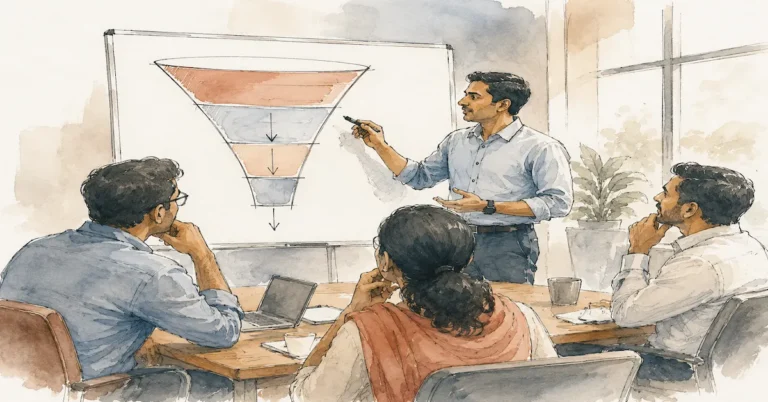
Most engagement initiatives fail because they are top-down.
Leadership decides:
- What will be fun
- What will motivate
- What should matter
Leadership expects employees to ‘participate’. But real engagement doesn’t come from participation. It comes from ownership.
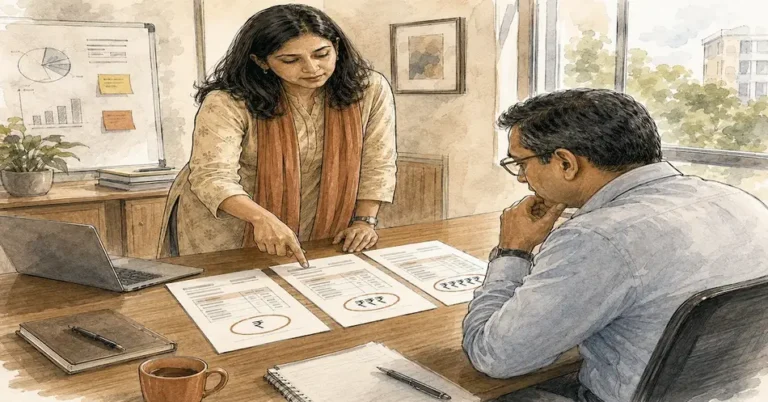
Picture the planning meeting behind that Fun Friday email. A few senior people decide what will count as fun, book a vendor, and tick the box. Nobody in that room asked the QA analyst in Pune, who has been carrying two people’s workload for a month, what would actually help. So the quiz lands in her inbox at 4:57 on a Friday, and it reads as one more thing being done to her, not for her. That gap, between what leadership designs and what employees live, is where engagement quietly dies. People do not switch off because the games are bad. They switch off because nobody asked.
Common breakdowns we see:
- Managers not trained to have human conversations
- Feedback collected but never closed
- Rewards tied to outcomes, not effort or growth
- Leaders confusing visibility with care
Employees don’t disengage because of work. They disengage because of how work feels.
No amount of quizzes can fix:
- Poor manager behaviour
- Unclear expectations
- Unequal workload
- Silent burnout
What actually works:
Organisations that see sustained engagement do three things differently.
1. They fix managers before fixing morale
Engagement lives and dies with the immediate manager.
Train managers to:
- Listen without interrupting
- Give feedback without fear
- Recognise effort, not just results
2. They act on small signals
– A delayed response.
– A withdrawn team member.
– A repeated concern.
Grand gestures don’t build engagement. Daily micro-actions do.
3. They design work, not just culture
– Clear roles.
– Fair processes.
– Transparent decisions.
When work makes sense, engagement follows.
At Excellential, we’ve seen engagement improve not after events, but after:
- Role clarity workshops
- Manager capability building
- Feedback systems that actually close the loop
Employees don’t ask for more fun. They ask for more respect.
Engagement isn’t about keeping employees happy. It’s about helping them feel seen, safe, and supported.
If your engagement initiatives feel busy but ineffective, it may be time to pause and redesign, not add more activities.
Explore how organisations have improved engagement by fixing people systems, manager capability, and everyday work experience. Discover our Employee Experience & Leadership interventions on Our Edge.
Frequently Asked Questions
Why do employee engagement initiatives fail?
Most engagement initiatives fail because they treat engagement as an event rather than an experience. Activities, celebrations, and surveys feel busy but do not address what drains people: poor manager behaviour, unclear expectations, and unequal workload. Without fixing those, quizzes and off-sites change nothing that matters.
What do employees actually want from engagement?
Employees want simpler things than most programmes offer. They want to be listened to, trusted, and treated fairly, and to understand why their work matters. Respect and clarity drive engagement far more than perks or rewards. As one employee put it, they want someone to ask what exhausts them.
What actually improves employee engagement in India?
Three things improve engagement sustainably. Organisations fix managers before morale, training them to listen, give honest feedback, and recognise effort. They act on small daily signals rather than grand gestures. And they design the work itself, with clear roles, fair processes, and transparent decisions, so the work makes sense.
Why don’t activities and rewards improve engagement?
Activities and rewards address the surface, not the cause. Games without psychological safety, rewards without recognition, and surveys without action leave the real problems untouched. Employees disengage emotionally because of how work feels day to day, and no amount of fun events can fix poor management or unclear expectations.
How is employee engagement different from employee experience?
Engagement is often run as occasional activities to lift the mood. Employee experience is the everyday reality of how work feels: the manager, the workload, the clarity, the fairness. Lasting engagement follows a good experience. When the daily experience improves, engagement rises on its own, without extra events.
If your engagement initiatives feel busy but ineffective, it may be time to pause and redesign. Book a Free Consultation